Menu
Columns
Showing 3549 Columns
Showing 3549 Columns
August 10th, 2012
I don't know if you've heard, but there's this new trend in publishing where people digitally release their work on websites like Amazon. It's called self-publishing, and since I'm all about trends, I figured I'd give it a shot.
Read Column →August 10th, 2012
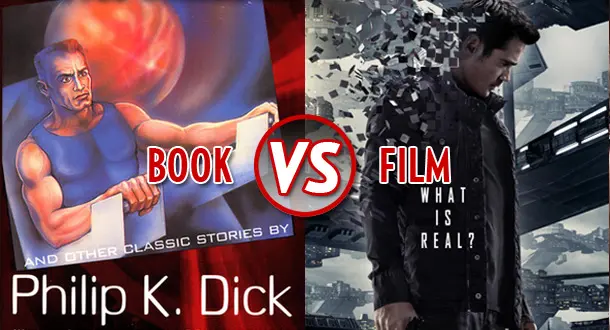
At the very beginning of the recently released Total Recall, a graphic recognizes the company behind the movie, producer Neal H. Moritz's Original Films. The unintentional irony of the word "original" being attached to a remake caused the audience at my screening to chuckle knowingly. What the people in that theater may have missed in their gentle mockery was another card, deep in the credits, that acknowledged another layer of inspiration: Science Fiction legend Philip K.
Read Column →August 9th, 2012
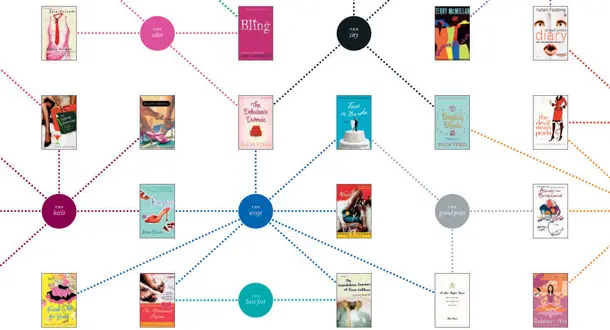
Look at this book: Mentally project said book onto a shelf as you walk by. Assume your eyes flicker to it. Does it appeal? Would you reach up (in my hypothetical situation, you are short or the shelf is high) to read the back copy, maybe flick through the pages?
Read Column →August 9th, 2012
Everyone does it. Some people might claim they don't, but they're lying. It's ingrained in our human DNA. It's a natural reflex that can't be denied. We can fight it, but our first instinct will always be to judge a book by its cover. And what's so wrong about this behavior, anyway? We may not have evolved enough as a species to overcome our superficiality, but haven't we developed as artists and designers? Is there any excuse nowadays for a bad cover? (The answer, by the way, is no.)
Read Column →August 8th, 2012
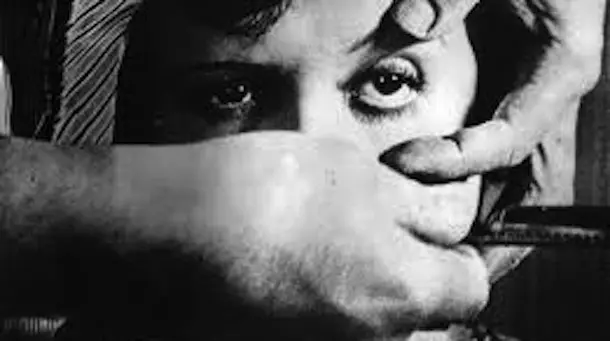
Introduction We’re all familiar with transitions as they relate to speeches or essays—the wide variety of clunkers we packed into our high-school and college papers in an effort to reach that ever-dreaded, ever-required, word count. Filler like: “In conclusion," or "with regards to," or "apropos of." As dead as these particular transitions may be to us as story-tellers, perhaps we must play Dr. Frankenstein and create for our living and breathing stories the pieces of tissue that keep their bones linked.
Read Column →August 8th, 2012

It was sort of like the Machete trailer they showed in Grindhouse. I had the genre, the title, and a vague idea of what it would be about, but ultimately, Good Sex, Great Prayers was just something I used to fake people out regarding the ‘what are you working on now?’ question (see also: the dubstep novel, which is exactly what it sounds like). It was a joke, more than anything.
Read Column →August 7th, 2012
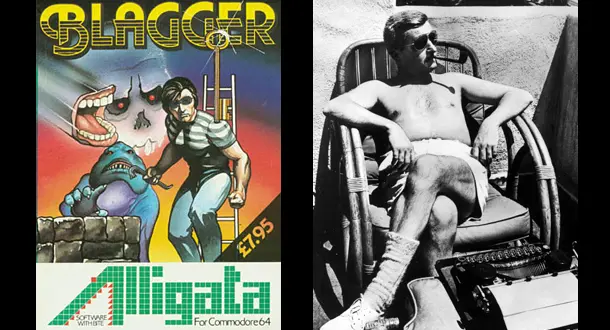
To blag (v): to sound like you know what you’re talking about when you don’t The Blagger’s Guide to Literature (n): an invaluable resource for those who wish to blag about books without actually reading them.
Read Column →August 7th, 2012
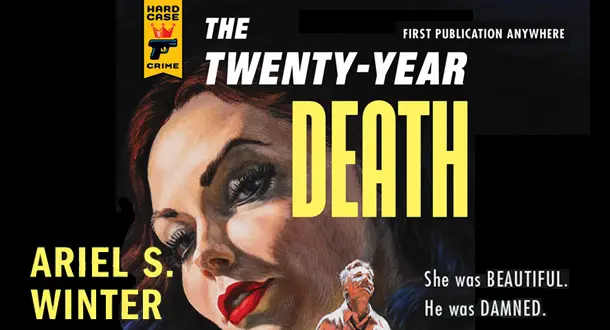
My novel, The Twenty-Year Death, is the story of a “great American novelist” named Shem Rosenkrantz as he goes from literary darling and popular success to used-up hack who can’t get work. His story, which unfolds over twenty years, is told through three complete novels, each in the style of a different mystery master: Georges Simenon, Raymond Chandler, and Jim Thompson.
Read Column →August 6th, 2012
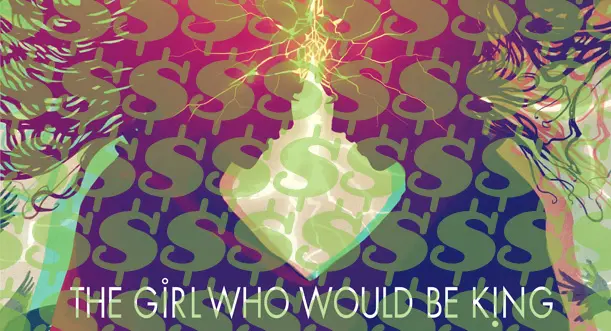
A little less than two weeks ago, my Kickstarter campaign ended with 330% of its original goal. I had asked for $8,000 to help fund the printing of my first novel, The Girl Who Would Be King, which I had tried and failed to sell to publishers in 2010 (read about that journey here!) and ended up with a shockingly wonderful $26,478. So what did I learn?
Read Column →August 6th, 2012
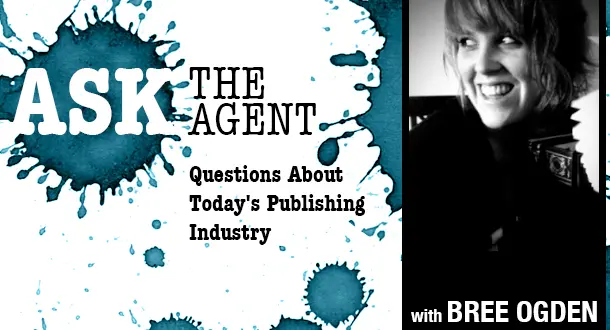
This week’s questions deal with the more emotional side of being a writer. Not only is this a technically hard industry to break in to (so many rules and regulations, so many faux pas), but it’s also a very emotionally hard, intimidating, and taxing industry to work in. It doesn’t always have to be that way. Listen carefully to this week’s answers.
Read Column →🎼
Tell us about your book, and we'll give you a writing playlist
Take our 1 minute quiz to find your ideal tunes.

Redirecting you to our sister website...
Create your account and request free quotes.