Menu
Essays
Showing 52 Essays
Showing 52 Essays
August 17th, 2015
The other day a friend was doing a crossword puzzle and asked me, “What song begins ‘It’s nine o’clock on a Saturday…’.” Without missing a beat I added, “…the regular crowd shuffles in. There’s an old man sitting next to me, making love to his tonic and gin.”
Read Essay →May 19th, 2015
The question is where to begin. One option is last autumn, when I was walking the dog past a construction site where a half dozen masons were third-floor-high, standing on scaffolding, laying bricks. A single hod carrier was mixing mortar on the ground and running it up a ladder, along the scaffolds, to each of the masons. His looked like the job you give the newbie: an apprenticeship where you learn the value of fresh, perfectly mixed mortar. The hod carrier never stopped moving, always lugging something heavy. While I watched, one of the masons shouted to him.
Read Essay →March 21st, 2014
Whether you’re making music or films or painting pictures… play to the strengths of your medium. One of the aspects of written narrative I appreciate most is the ambiguity that’s possible and sustainable before the true nature of a fictional situation is confirmed. Like the roadster in The Great Gatsby which is green or yellow, depending on the moment, I love to keep the details of a story in flux. One thing morphs into becoming another, sometimes even a third thing.
Read Essay →February 13th, 2014
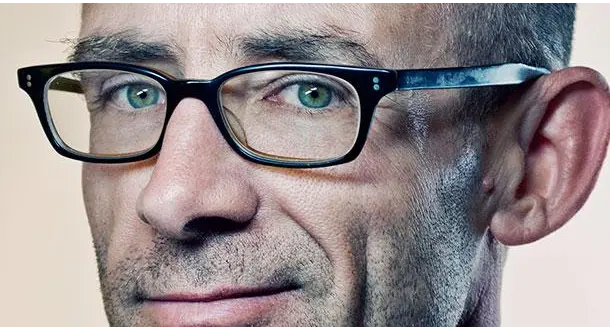
Let’s start with a secret about Suzy Vitello. In her own mind, she’s really three people. One person is Suzy who exists in the present moment. Another is the Suzy who existed three days earlier. The last person is the Suzy who will exist three days in the future.
Read Essay →February 7th, 2014
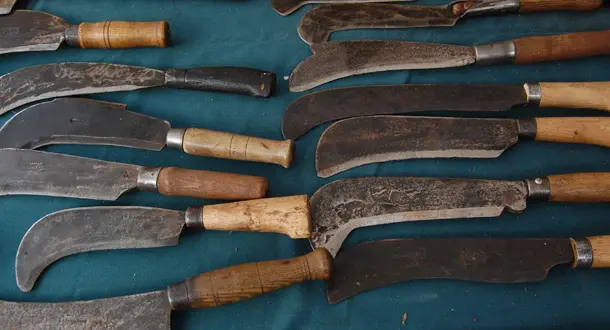
Photo via Wikipedia Commons All my The Least of My Scars drafts and notes have, until a few months ago, been in a directory called “doors.” All the early drafts are that: “doors,” “doors2,” “doors21,” “doors21b,” and on and on, a whole stack of versions and tries and misfires.
Read Essay →January 24th, 2014
You have to know the rules before you can break them. In any writing workshop, you should be ready to defend every choice you make. Every word and comma and line break, if anyone asks why you used it, you should have a strong reason. What were you trying to accomplish?
Read Essay →September 20th, 2013
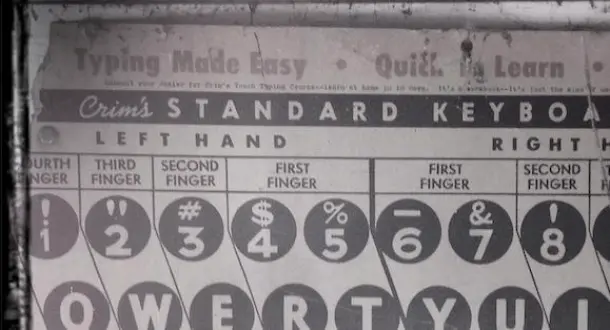
Photo by Craig Clevenger I have two major pet peeves when it comes to dialogue. First, it bugs me when all the characters sound alike. Sure, with regional diction, accents, socioeconomic class, blah blah blah, it may be tough to distinguish between the Valley Dude speak of two high school kids, but not between those kids and their teachers or parents. Secondly, when characters speak with the same eloquence, or at very least the same style, as the narrator, i.e., the author, it rings false for me.
Read Essay →August 12th, 2013
In six seconds, you’ll hate me. But in six months, you’ll be a better writer. From this point forward – at least for the next half year – you may not use “thought” verbs. These include: Thinks, Knows, Understands, Realizes, Believes, Wants, Remembers, Imagines, Desires, and a hundred others you love to use. The list should also include: Loves and Hates. And it should include: Is and Has, but we’ll get to those, later.
Read Essay →March 7th, 2013
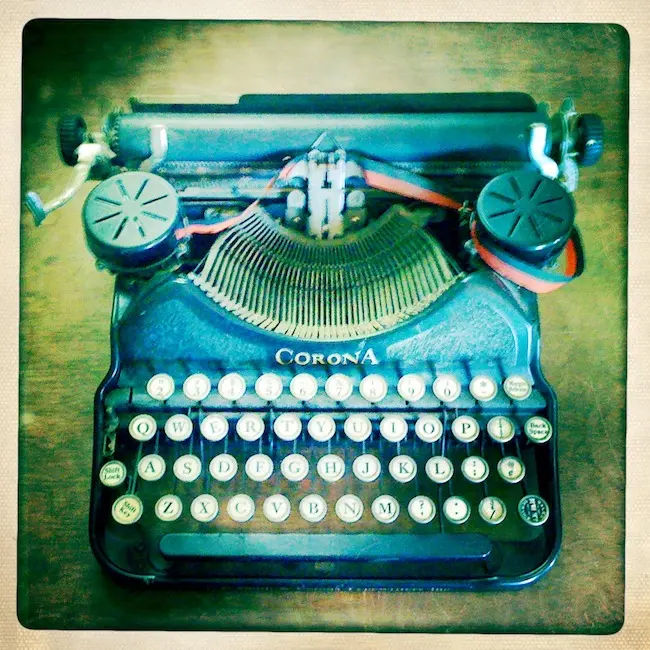
Photo by Craig Clevenger transgress |transˈgres, tranz-| verb infringe or go beyond the bounds of (a moral principle or other established standard of behavior) “You think you know pain?… You’re just a tourist with a typewriter... I live here.” —Charlie Meadows, from Barton Fink (1991)
Read Essay →May 9th, 2012

Photo via Free Images The biggest lie I tell myself about revising is that I do it as I go. You've heard this, right? I don't think I'm coming up with anything new here, anyway. And, it's a seductive thing to believe- to want to believe, at least. And the finished products even tend to support it.
Read Essay →Submitting your manuscript?
Professional editors help your manuscript stand out for the right reasons.

Redirecting you to our sister website...
Create your account and request free quotes.