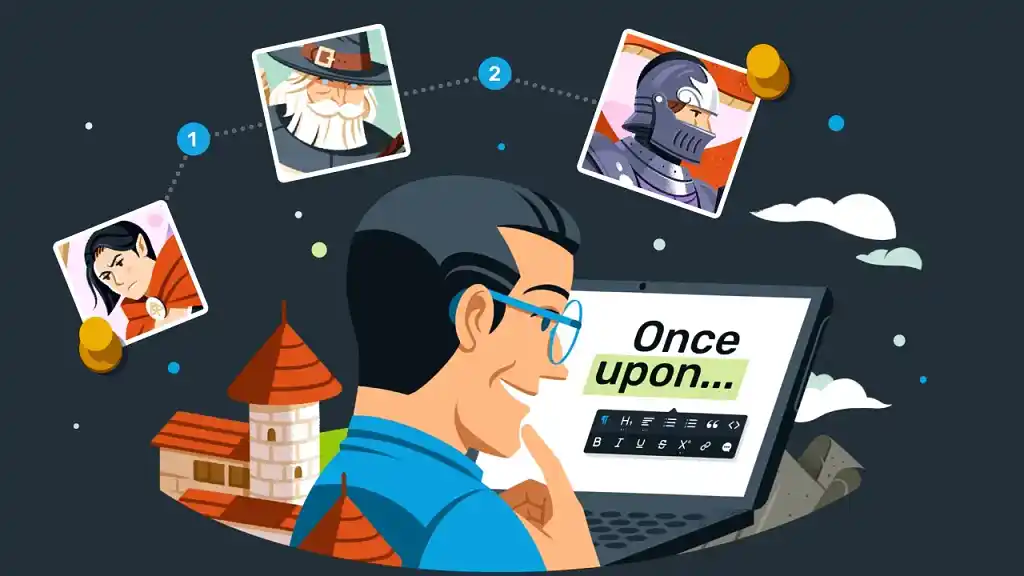
Being a novelist is hard. You have to conceptualize a story, then write the whole dang book, then revise it until it shines. And most of the time, you’re working on your own — especially before finding an agent, you’re working for yourself and guiding yourself and hoping and praying that you’re doing a good enough job on your own.
Enter beta readers and critique partners.
Beta readers are generally understood to be readers who take in the book after it’s in pretty decent shape and give feedback to help improve it, while critique partners are writers with whom you swap work; sometimes you may even treat them as pseudo-business partners, brainstorming with them and talking through various story problems.
Though they can’t write the book for you or with you, beta readers and critique partners are absolutely crucial to the writing process. From hyping me up when I’m feeling despondent to being the sounding board who tells me, “Yeah, that plot twist is EPIC,” it’s beta readers and critique partners who often give me the encouragement that I need to keep writing.
But there’s one aspect I want to talk about today that’s pretty hard to come by — and harder to do. It’s the beta reader who gives you hard feedback. Whether that looks like pointing out errors (from plot holes to poorly researched facts), making a note of story machinations that don’t work, or even nudging you to say, “Hey, this is somewhat problematic,” beta readers who have the ability and courage to point out negatives are a lifesaver for sure.
In the book I’m working on now, that I hope to whip into query-ready shape soon, my beta readers pointed out a few things that weren’t working. One of them was a potentially problematic storyline, where one of my main characters did something that would have been pretty unforgivable to readers — and to the person whose trust the character broke.
I was so grateful to the reader who pointed this out.
As a disgustingly conflict-avoidant person myself, I really struggle to say what isn’t working in someone else’s work — it’s something I’m working on, something I take into account every time I read another writer’s work and try to fix it.
It’d be really nice to live in a world where writers are perfect, and we churn out beautiful books with no mistakes, typos, or potentially problematic storylines on our own.
But the truth is we’re just humans. And like all other humans, we have the potential to mess up. Whether that mess-up takes the shape of a gaping plot hole or mischaracterization (like that time I wrote a whole book with an evil mother character without exploring why, exactly, she was so evil), or something darker and more problematic, we need others around us to point out the things we can’t see.
I would love to live in a world where I’ve never messed up; I would feel much better about myself in that world, to be honest. Not just because I hate my own frailty, but because not everyone is forgiving. But the truth is, humans are flawed. We all do things that hurt others, whether we mean to or not.
I’m immensely grateful for the friends who point out my mistakes, and who offer me grace and mercy as I seek to improve myself as a person.
As a writer, I’m equally grateful for the readers who point out where I’m flawed, and then, two lines later, say they’re crying tears of joy over something I wrote. The readers who offer grace to me, the writer.
It’s something I wish for every writer, really: readers who will do the hard work of pointing out what’s wrong, and also let you know why they still love your work.
Get Writing Alone and With Others by Pat Schneider at Bookshop and Amazon
Get The Gifts of Imperfection by Brené Brown at Bookshop and Amazon
About the author
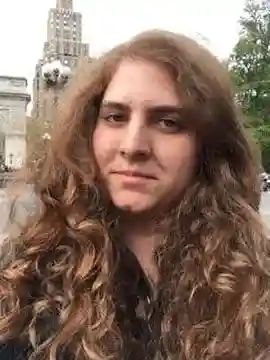
Karis Rogerson is a mid-20s aspiring author who lives in Brooklyn and works at a cafe—so totally that person they warn you about when you declare your English major. In addition to embracing the cliched nature of her life, she spends her days reading, binge-watching cop shows (Olivia Benson is her favorite character) and fangirling about all things literary, New York and selfie-related. You can find her other writing on her website and maybe someday you’ll be able to buy her novels.