For most authors, writing the book is the easy part. Getting it in front of readers is where things get complicated.
Whether you’re a first-time indie author or a seasoned self-publisher, there’s always more to learn about the wide world of book marketing — so we've rounded up the five best books on the subject. Here’s a quick look at our top picks:
- How to Market a Book by Ricardo Fayet
- Your First 1000 Copies by Tim Grahl
- Strangers to Superfans by David Gaughran
- The Author's Guide to Marketing Books on Amazon by Rob Eagar
- From Book to Bestseller by Penny C. Sansevieri
Read on for a full breakdown of what makes each one worth your time.
How to Market a Book: Overperform in a Crowded Market by Ricardo Fayet (2025)
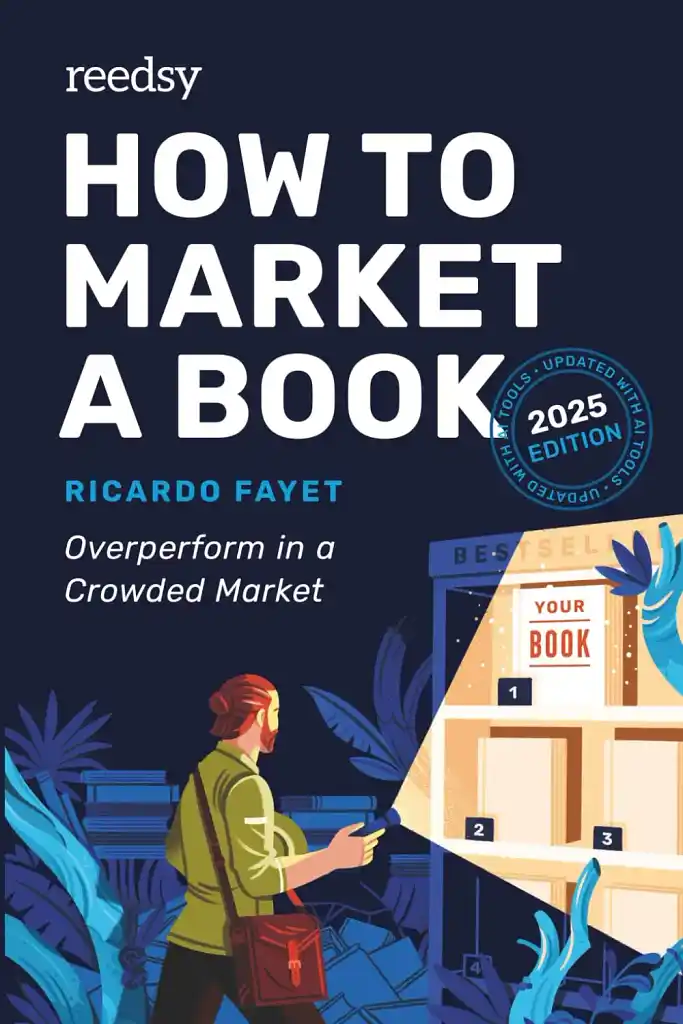 Most authors who struggle with marketing don't have a marketing problem — they have a product problem. In How to Market a Book, Ricardo Fayet argues that a weak cover, an unconvincing blurb, or a poorly targeted Amazon listing will undermine any marketing effort that follows. So, before building a mailing list or investing in ads, authors should ask a simpler question: will readers find this book, and will they buy it when they do?
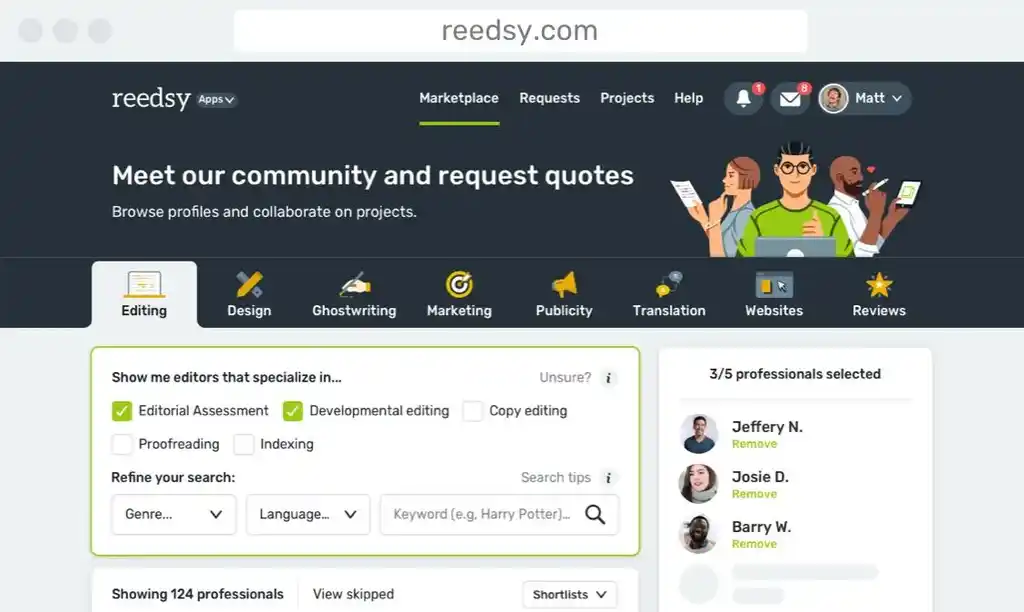
Beyond those fundamentals, Fayet covers the economics of advertising on Amazon, Facebook, and BookBub, as well as mailing list strategy, price promotions, and distribution across Apple Books, Kobo, and Google Play. Fayet practices what he preaches: as co-founder and CMO of Reedsy, he has helped numerous authors achieve Wall Street Journal and Sunday Times bestseller status, and his weekly book marketing newsletter reaches over 800,000 authors.
For authors looking for a single, comprehensive resource on book marketing, How to Market a Book is a must-read.
Your First 1000 Copies: The Step-by-Step Guide to Marketing Your Book by Tim Grahl (2020)
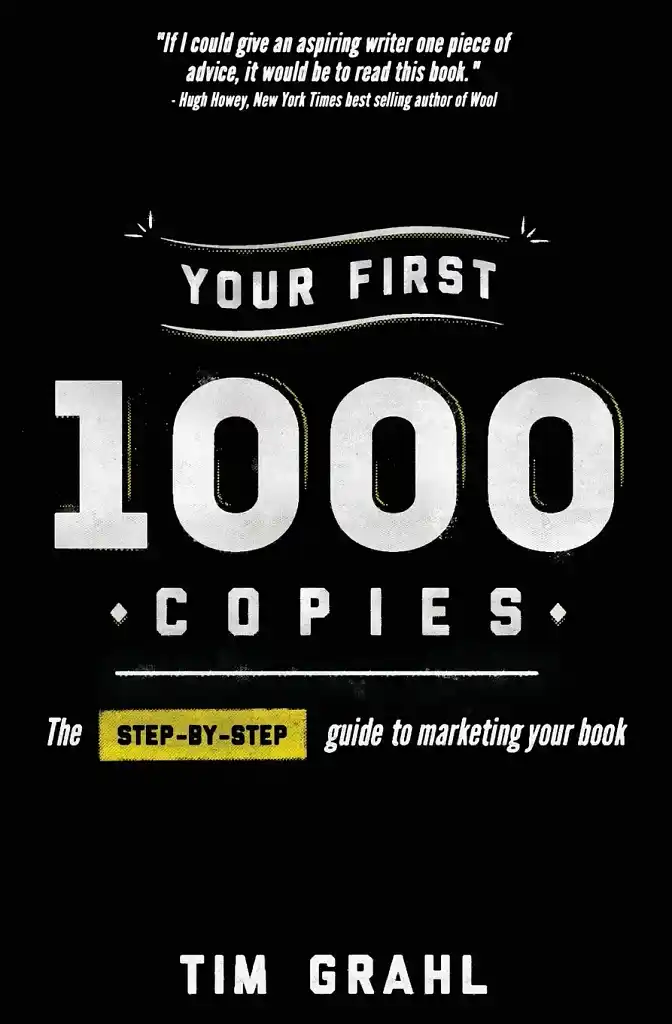 Where most book marketing advice focuses on tactics, Tim Grahl starts with a philosophy. Marketing, he argues, is simply the act of building long-lasting connections. This idea acts as the foundation for Grahl’s Connection System, a five-step marketing cycle that treats platform-building as a long-term project rather than a launch day scramble.
Grahl's most useful concept is what he calls the "holey bucket" problem: most authors work hard to get readers to discover their book, but have nothing in place to retain them once they do. Without a system for building long-term connections, every reader who finds you simply leaks away, possibly never to return. Building that system, Grahl argues, is more important than any individual marketing tactic.
It won't suit every author, but for those whose marketing efforts feel scattered or directionless, Your First 1000 Copies offers a clear starting point.
Strangers to Superfans: A Marketing Guide to the Reader Journey by David Gaughran (2018)
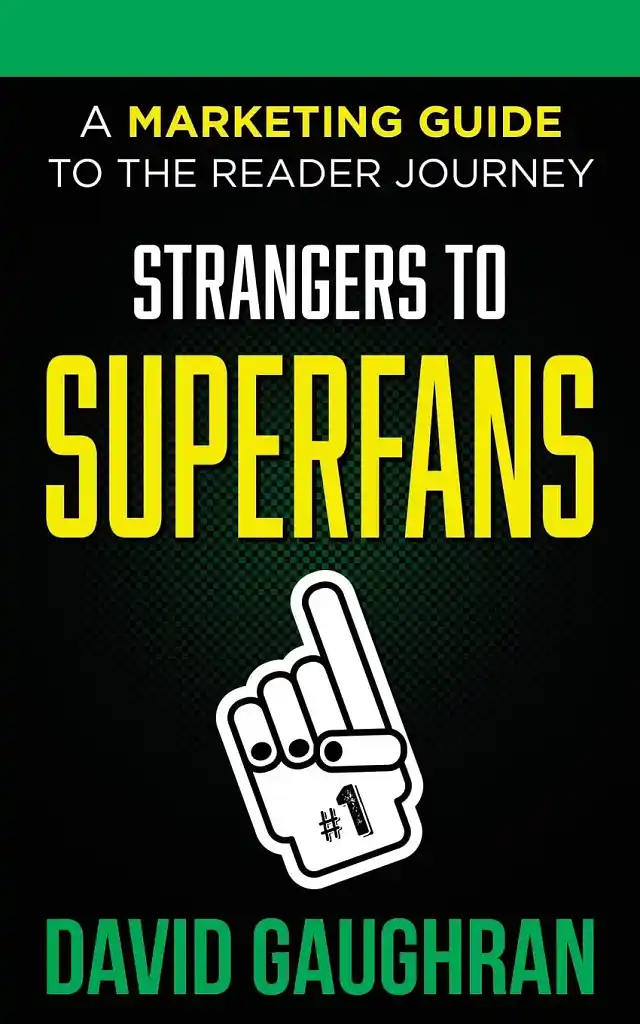 If the books we’ve mentioned so far feel a bit basic to you, then check out David Gaughran’s Strangers to Superfans, which is written for authors who are already marketing their books but not seeing proportionate results.
Like Grahl’s Connection System, Gaughran provides a five-step framework — the Reader Journey — to help authors identify exactly where potential readers will drop off. Strangers to Superfans argues that pouring money into the Discovery phase (getting your book in front of new readers) while ignoring later stages is the most common and expensive mistake in book marketing.
An overemphasis on Discovery is far from the only marketing mistake Gaughran looks to remedy. His Failure Matrix helps authors diagnose which stage of the process is broken for their title. He also provides real conversion rate benchmarks at each phase so authors can understand what "good" actually looks like across the funnel, and where they're falling short.
The Author's Guide to Marketing Books on Amazon by Rob Eagar (2025)
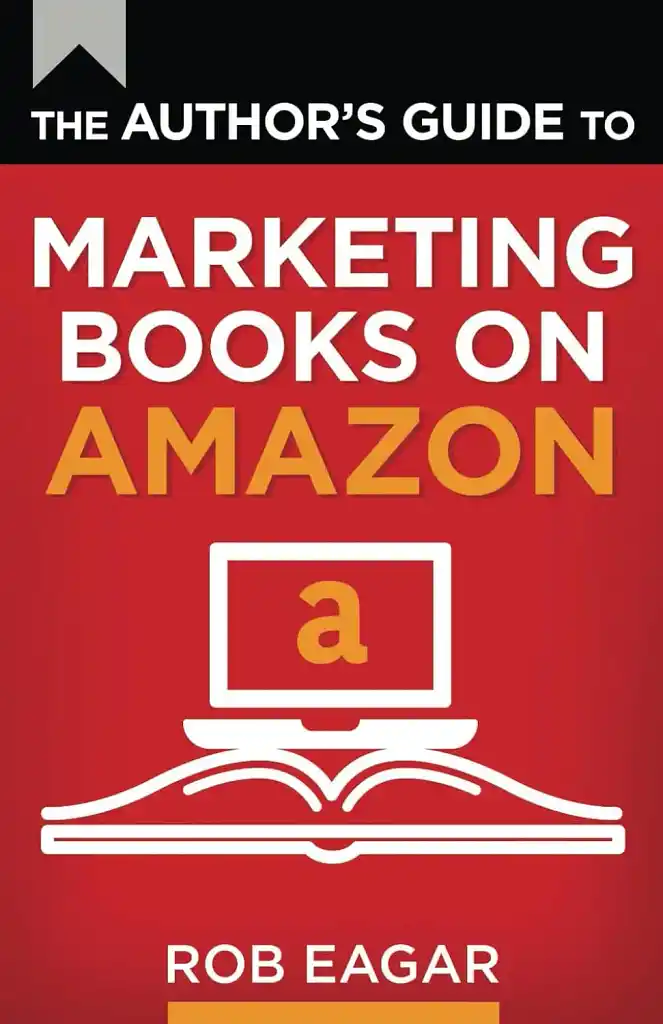 Where Strangers to Superfans takes a broad view of the marketing funnel, Rob Eagar's The Author's Guide to Marketing Books on Amazon goes deep on a single platform. Eagar breaks down every element of the Amazon product page, treating each one as a copywriting problem to solve. He argues that most authors treat their book descriptions as summaries when they should function as a sales document.
The book is also notable for how it handles Amazon Ads. Eagar walks authors through the real economics of advertising on the platform, including the scenarios where running ads will reliably lose them money. As a bonus, annual updates ensure its contents remain in step with Amazon's ever-changing algorithms, so it’s worth checking for updates if you have an older copy.
From Book to Bestseller: The Savvy Author's Guide to Book Promotion, Smart Branding, and Longterm Success by Penny C. Sansevieri (2022)
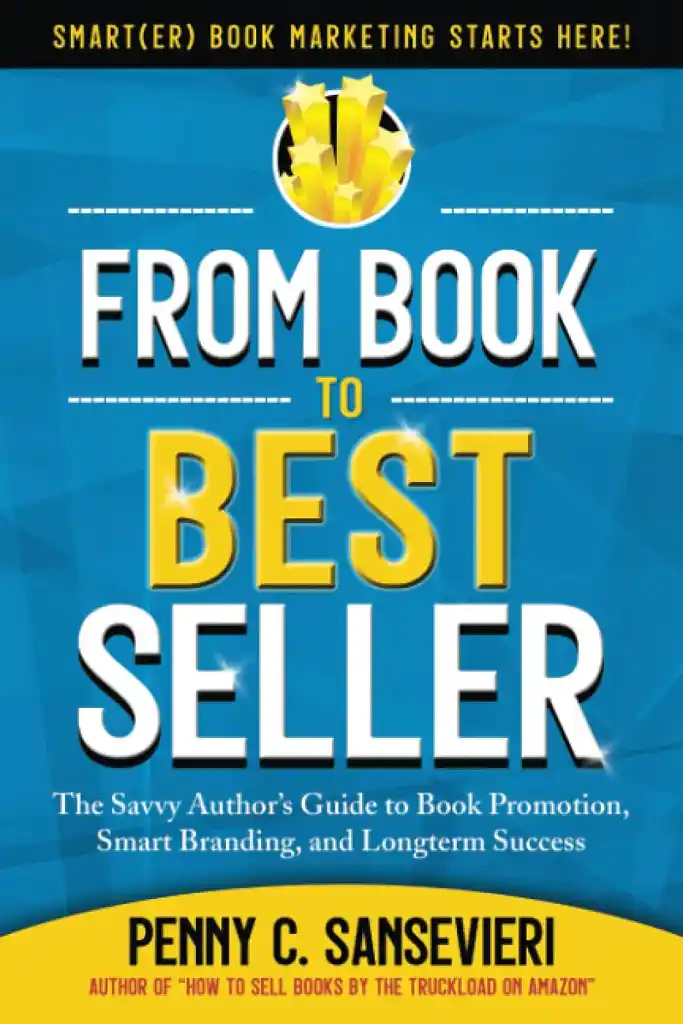 Fans of book marketing frameworks are in for one final treat. In From Book to Bestseller, Penny Sansevieri divides readers into three groups based on their level of engagement: regular readers, superfans, and street team members.
According to Sansevieri, even a small group of highly activated readers (or “superfans”) can outperform a large but passive mailing list because they buy everything, review everything, and recruit new readers organically. Street team members go one step further by actively recommending the book to readers outside the author's existing audience.
Beyond this, Sansevieri covers a wide variety of marketing tactics, from podcast pitching and gift guide placements to book club outreach and cross-promotion with other authors. For authors who feel like they’ve hit a wall with regular marketing tactics, From Book to Bestseller may offer a different approach worth exploring.
Marketing a book well is less about doing more and more and more, and more about doing the right things consistently. These five books, above all others, will help you figure out which is which. Good luck!
About the author

Nick Bailey writes about anything and everything in the realm of writing and publishing. From articles on honing your craft to launching your book, Nick aims to provide valuable insights and practical tips to the Litreactor community in his posts. Aside from books, Nick enjoys hiking, electronic music, and filling up his personal cookbook with new recipes.